


THE QUIRK OF ZISSOU
The Decade You Can Read on a Face
An art teacher once told Zissou that the most important thing in any visual creativity is to learn how to see. He found this ridiculous when he first heard it. He has been refining his understanding of it ever since, and has arrived at a formulation of his own: learn how to see what matters to you instinctively. Allow yourself time to think about why it’s beautiful after the shot instead of before. Think while you shoot and you may miss the moment, he says.
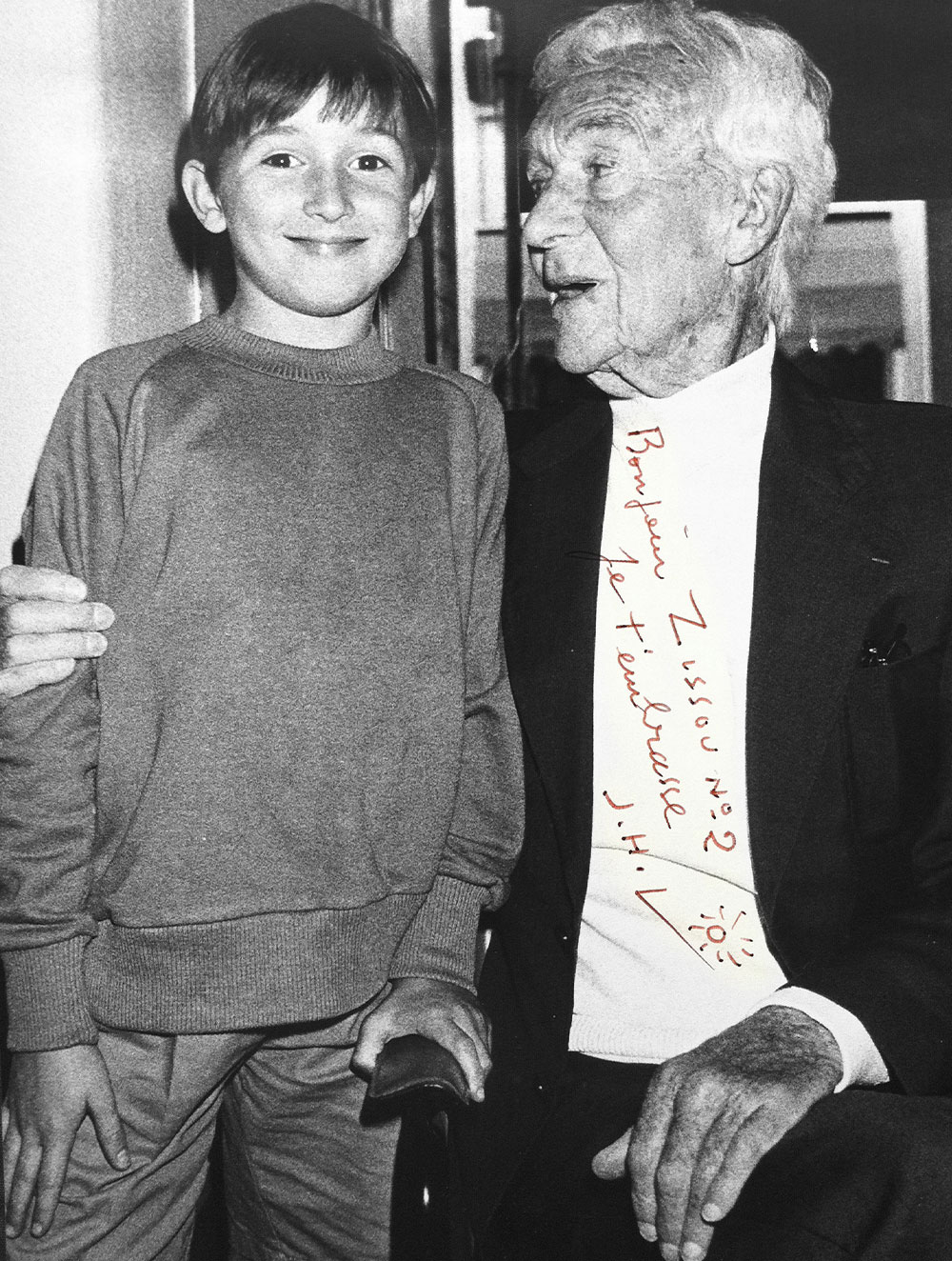
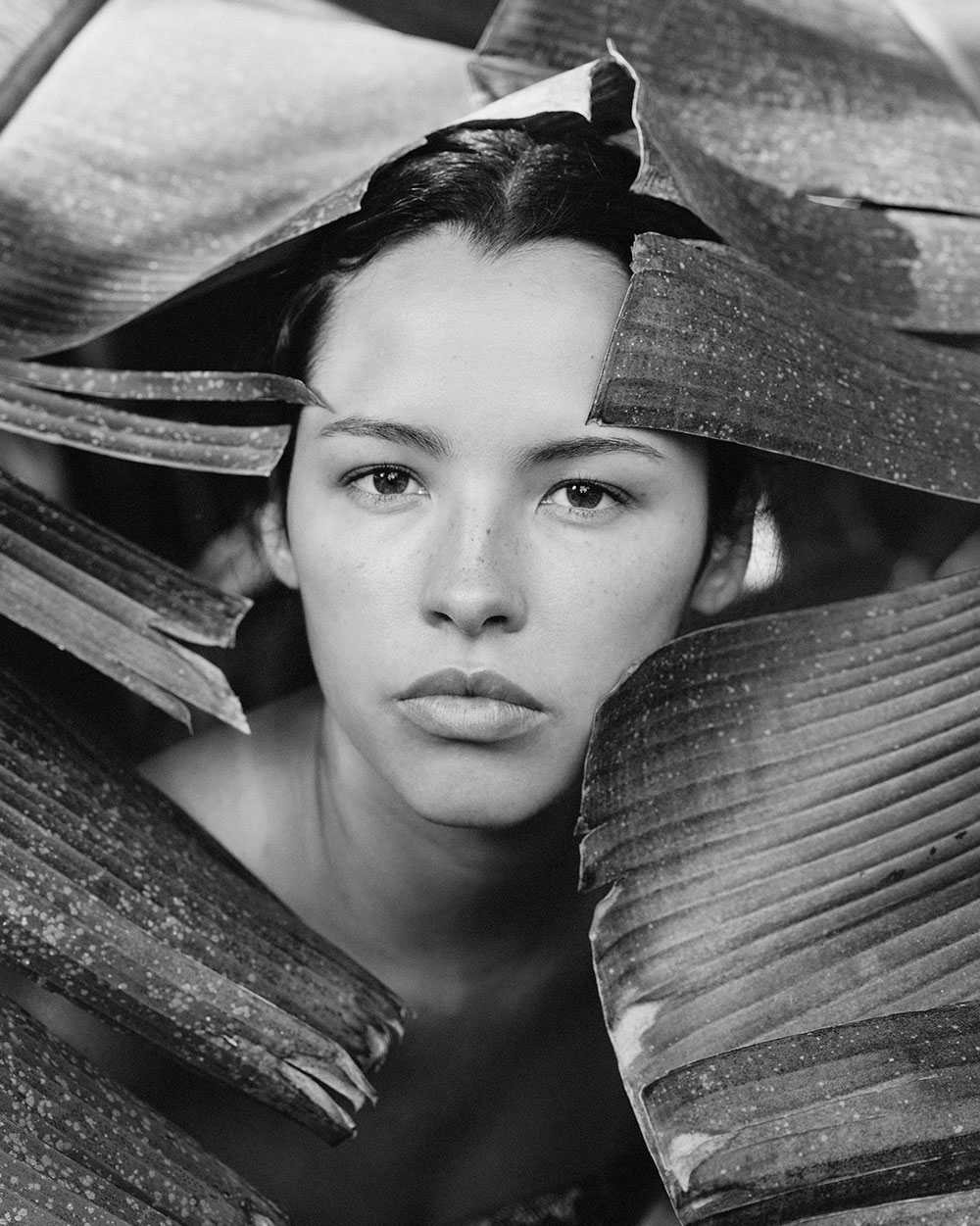
He is impatient with the version of photography that treats every moment as documentation. But he is equally impatient with the version that treats photography as performance in the knowing pose, the deliberate pout. He notes as a passing observation that you can date a photograph by the facial expressions alone. In pictures from the seventies and earlier, expressions are natural; people did not yet know how to pose for a camera. Now even children do. The performance of self for the lens has become so automatic that its absence is what marks a picture as old.
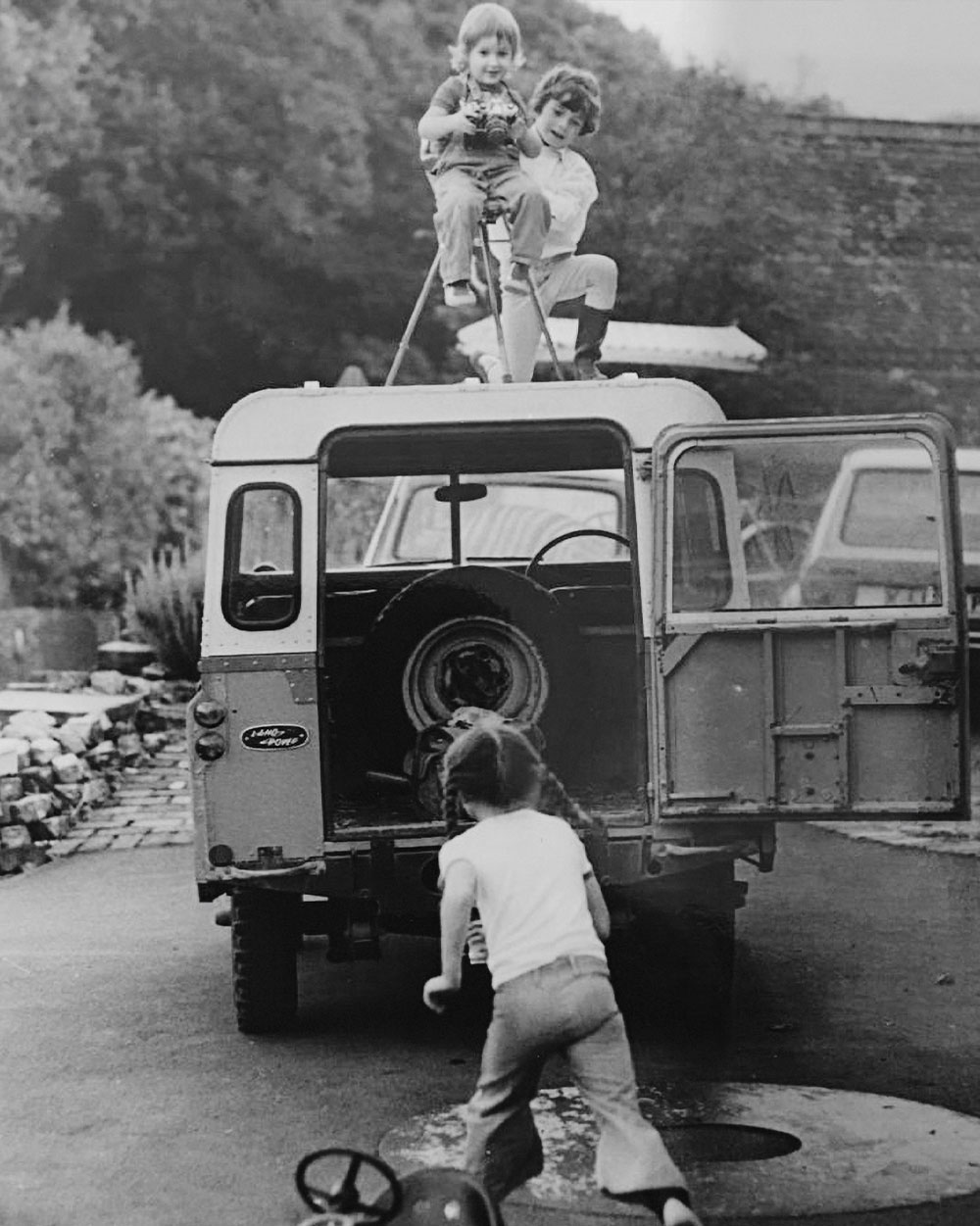
“Through a body of someone’s work, you can see a theme and a flow beyond how they’ve produced the print. There is a framing that becomes a theme. If you look at W. Eugene Smith, or Cartier-Bresson, or Lartigue, I can spot their pictures even if I’ve never seen that specific one.”
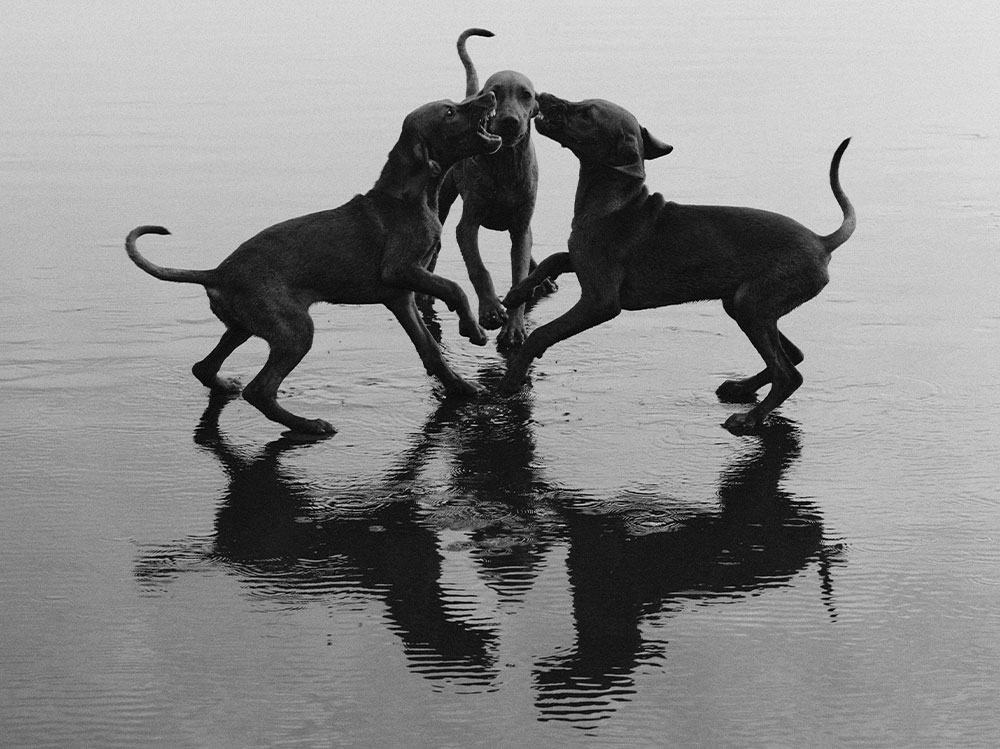
What he is looking for in a great image, in his own work and in others’, is quirk. The thing that is just slightly off the normal of its era. The moment that doesn’t quite fit. Every generation of photography produces new quirks, and the photographers who find them are the ones whose work becomes undeniably great rather than merely good.
He shoots primarily with natural light, early morning or late afternoon. He cannot control a cloud moving across the frame. He cannot control a bird squawking and turning a subject’s head. He does not want to. “It’s not knowing, but allowing nature to do its thing, and you respond quick enough to try and get the shot.” A camera is always in his backpack, but having it in the backpack, he insists, is not enough. It is a completely different thing to get the camera out and shoot.
Too Close to See Clearly
Editing, when there is no deadline pressing, is the lovely part, the phase where you can sit with an image, return to it, print it and pin it to a wall and let it change its message over days.
He is precise about the failure mode: looking at a new image is like sitting down to a plate when you’re hungry. You can over-eat. You see the shot you want to have taken, you call it the best one of the day, and you promote it in your mind as the keeper. Then, a year or two later, you go back through the folder and find something you passed over entirely, and it’s the shot. The one you were too close to, in the moment, to see clearly.
“We have a memory that evolves over time. I found an image in one of my dad’s many albums and I remember the moment differently. The image doesn’t give me that memory. Is there truth in the image?”
His father produced sixty-nine leather A2 albums across fifty years, handprinted and hand-captioned, one per year. When Zissou last went back to them, he opened one and found an image from his childhood; the clothes, the light, the composition, nothing like he remembered. The photograph recorded something that happened which his memory had been editing the scene for decades.
The same image can become a completely different object over time. He remembers seeing his father’s contact prints from Northern Ireland drying on the kitchen floor as a child. Black and white. A makeshift cross in a cremation ground. At the time: two boring sticks, he didn’t get it. Now: he knows the weight of that moment, and the photograph is powerful. His taste evolved to meet it.
There is the friction of the image as an open container. When he was twelve or thirteen, he made a series of large abstract paintings; one of which was a red background with a cream and brown shape at the centre. His grandmother bought one and hung it in her small hotel south of London. One day, a guest asked what it was. His grandmother answered: “My grandson did this painting. It’s Buddy Holly throwing up.” He overheard this from the next room. The inspiration for the painting had been the Coca-Cola symbol and a ram’s head. That moment, he says, was the first time he understood that anything you produce can have a different feeling for one person than for another. However representative it is or clear its intention is to the maker.
Buku: No Words
Zissou spent two years building his first monograph. He called it Buku, the Indonesian word for book, and he built it entirely alone, without an editor, by design. It was his first book. He wanted to know what would come out of him, purely him.
The constraints he set himself are the clearest expression of his thinking about what a photograph is and what an image can and cannot be told. No image on the cover. No words on the cover. No words on the spine. No explanation of any kind. Only a single loose-leaf sheet tucked at the back, containing the colophon and credits, and even that sheet exists in four different versions written by four different people: himself, a friend who knows him and had seen the images, a friend who knows him but had never seen the images, and a fourth he describes only as tricky.
There are one hundred copies. He does not know which version of the loose-leaf sheet is in which book. The printer in Jakarta randomised them during binding. They arrive wrapped. He cannot open them until he hands them over.
“I wanted a way that the owner could even throw this piece of paper away, and the book is found in a few years, and no one has a clue who shot it, or why. They just appreciate the images for what they are, and nothing else.”
The sequence inside the book has a personal logic that is entirely his own, and which he has no intention of explaining. It is quirky to others. He wants them to find their own thing in it. This is, finally, what his whole practice is organised around: the image as something that belongs to the person looking at it as much as to the person who made it. The photograph fixes a moment, but the moment it records is not the same as the moment it creates. Memory is always editing. Taste is always evolving. The child who saw two boring sticks in his father’s photograph from Northern Ireland is not the man who finds it powerful now. Both of them looked at the same image.
He wakes up each morning in the bamboo house he built with the men and women from the village, and shoots what the light gives him. There is always a new plant. A new animal that has come in overnight. A cloud hitting a surface in a way it has never quite hit before. You cannot get bored if you are surrounded by nature, he says. And if you have your camera with you, actually out of the bag, actually in your hand, actually ready, you will not miss it.
Zissou is the founder of Tabi Sabi, a practice built around honouring nature, craft, and the people who carry them. It is, in its own way, an answer to the same question his photographs ask: what happens when you pay full attention to the living world, not because it is useful, but because it is extraordinary.